If your hydroponic plants look pale, stunted, or just aren’t growing the way they should, pH is usually the first place to look. It’s one of the most overlooked factors for beginners, but once you understand it, it’s easy to manage.
What is pH and Why Does it Matter in Hydroponics?
pH is a scale from 0 to 14 that measures how acidic or alkaline your nutrient solution is. In soil, the ground itself acts as a natural buffer, smoothing out pH swings. In hydroponics, there’s no buffer — your roots are sitting directly in water, so pH has an immediate and direct effect on what your plants can absorb.
Even if your nutrient solution is perfectly mixed, plants can’t take up certain minerals when pH is out of range. This is called a nutrient lockout, and it’s the most common cause of deficiency symptoms in hydroponic plants that are actually being fed correctly.
The Ideal pH Range for Hydroponics
For most hydroponic crops, you want your pH between 5.5 and 6.5, with 6.0 being the sweet spot for general use. Different nutrients become available at different points in this range, so staying within the window ensures your plants can access everything they need.
Lettuce and leafy greens prefer the lower end (5.5–6.2). Tomatoes and fruiting plants do well slightly higher (6.0–6.5). Herbs are generally flexible within the full range.
How to Check pH
You have two main options:
pH Drops (Liquid Test Kit)
Cheap and simple, but less precise. You add a few drops to a small water sample and match the color to a chart. Fine for casual monitoring but not ideal if you want accuracy.
Digital pH Meter
The better option for anyone serious about their setup. A decent meter costs $15–30 and gives you an exact reading in seconds. Look for one that’s waterproof and comes with calibration solution.
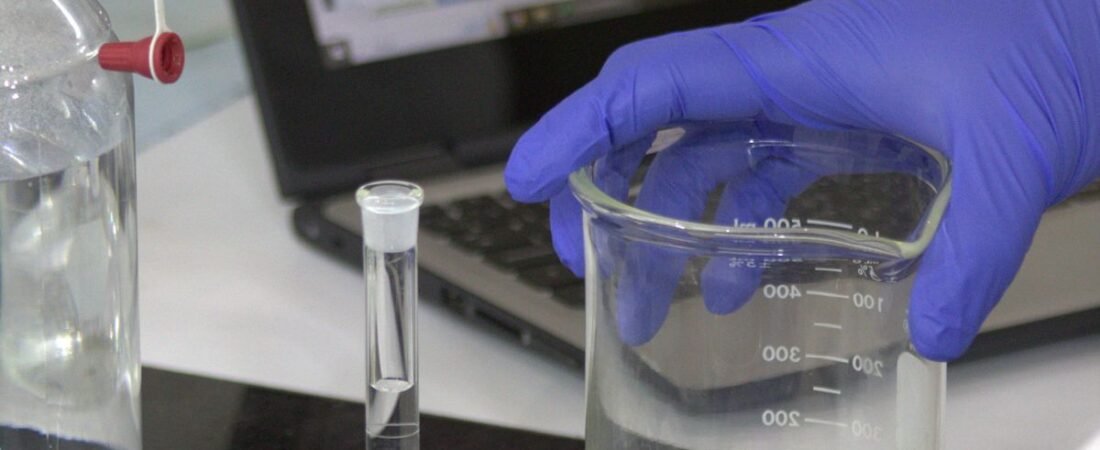
To test: dip your meter or test kit into your reservoir water (not straight from the tap), wait for a stable reading, and note the number. Test every 1–2 days, especially in the first few weeks of a grow.
How to Adjust pH
If your pH reads too high (alkaline), you need pH Down — a diluted phosphoric acid solution. If it reads too low (acidic), you need pH Up — typically potassium hydroxide.
Both are inexpensive and widely available. Add small amounts at a time, stir your reservoir, and retest. It’s easy to overshoot, so go slow. A few drops can move your pH significantly in a small reservoir.
Important: always mix your nutrients into the water first, then adjust pH afterward. Adding nutrients changes the pH of the water, so you want to dial it in as the last step.
How Often Should You Check pH?
In a recirculating system like DWC or NFT, check pH daily or every other day. In a passive system like Kratky, you can check weekly when you top off. Plants naturally pull certain nutrients faster than others, which gradually shifts your reservoir’s pH over time — so consistent monitoring matters more than any single reading.
Quick Reference
- Ideal range: 5.5–6.5
- Sweet spot: 6.0
- Too high → add pH Down
- Too low → add pH Up
- Always adjust pH after adding nutrients
- Test daily in active systems, weekly in passive
Once you get into the habit of checking pH, it becomes second nature and takes less than a minute. It’s one of the simplest things you can do to get dramatically better results from your hydroponic garden.
Related guides: Best Hydroponic Nutrients for Beginners | Deep Water Culture (DWC) Guide | Kratky Method Guide