“Hydroponics grows plants twice as fast as soil.” You’ve probably read that headline a dozen times. It’s mostly true — but it’s also more nuanced than it sounds. After growing the same crops in both systems for years, I can tell you exactly when hydroponics wins, when soil wins, and which method is right for your situation.
The Short Answer
Yes, hydroponic plants grow faster than soil plants — typically 25–50% faster for leafy greens and herbs, and up to 30% faster for fruiting crops. They also tend to yield more per square foot. But “faster” doesn’t automatically mean “better” for every grower or every plant.
Why Hydroponics Is Faster
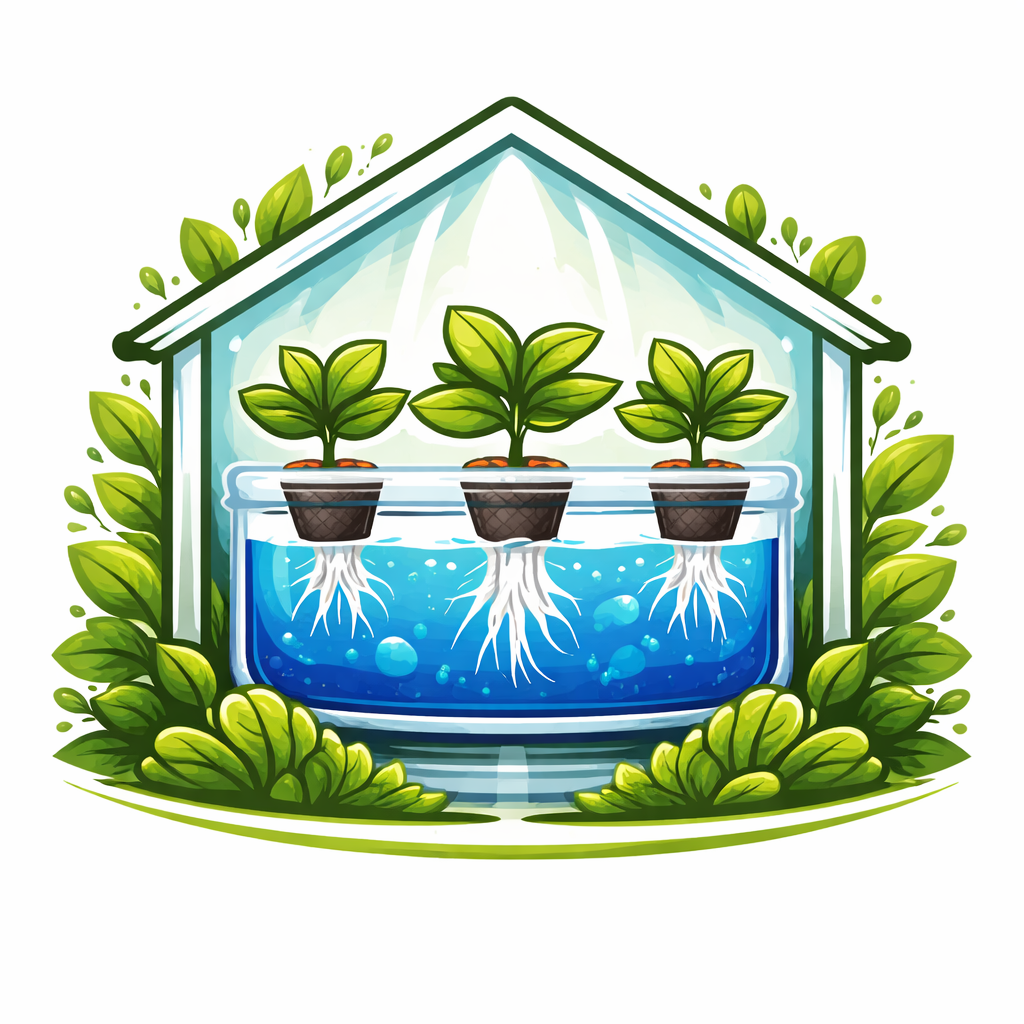
Plants in soil spend significant energy growing roots in search of water and nutrients. In a hydroponic system, water and dissolved nutrients are delivered directly to the roots in optimal concentrations. The plant skips the searching and pours that saved energy into leaves, stems, and fruit. Add in better-oxygenated roots (in systems like DWC), perfectly tuned pH, and no competition from weeds or soil pathogens, and the speed advantage is significant.
Side-by-Side: Common Crop Comparisons
- Butterhead lettuce: soil ~55 days to harvest, hydroponics ~30 days.
- Basil: soil ~60 days to first big harvest, hydroponics ~28 days.
- Strawberries (first fruit): soil ~90 days, hydroponics ~60 days.
- Cherry tomatoes (first fruit): soil ~80 days, hydroponics ~55 days.
- Spinach: soil ~45 days, hydroponics ~25 days.
Yield Comparison
Hydroponic systems consistently outproduce soil per square foot, especially when grown vertically. A vertical hydroponic tower can produce as many greens in 2 square feet of floor space as a 20-square-foot raised bed. This is why commercial growers have embraced hydroponics for leafy greens.
Where Soil Wins
- Root vegetables: carrots, potatoes, and beets are far easier in soil.
- Upfront cost: a few seed packets and a sunny patch of dirt cost almost nothing.
- Power outages: pump-based systems fail without electricity (the Kratky method is the exception).
- Flavor for certain crops: some growers swear by soil-grown tomatoes for richer flavor, though this is debated.
- Forgiveness: soil buffers nutrient and pH mistakes; hydroponics punishes them quickly.
Water Use: Hydroponics Wins by a Mile
This surprises people: hydroponic systems use roughly 90% less water than soil gardens for the same crop. Water in a recirculating system is reused continuously, while soil watering loses most of its volume to evaporation and drainage.
Cost Comparison
- Soil garden setup: $0–$100 (seeds, basic tools, compost).
- Beginner hydroponic kit: $80–$200 (countertop system) or $30–$50 (DIY DWC bucket).
- Ongoing soil costs: mostly time and water.
- Ongoing hydroponic costs: nutrients, pH adjusters, replacement pods, electricity for lights and pumps.
Over a full year, hydroponics typically costs more in consumables but produces more food per square foot, especially indoors where soil isn’t an option.
Flavor and Nutrition: Is There a Difference?
Multiple studies have found that hydroponic vegetables have nutrient profiles comparable to soil-grown counterparts, sometimes higher in specific minerals depending on the nutrient mix used. Flavor is subjective — most blind taste tests find hydroponic lettuce and herbs equal or better than soil. For fruits like tomatoes, soil enthusiasts argue complex soil microbiology produces deeper flavor, but a well-tuned hydroponic system can absolutely produce delicious fruit.
The Verdict
Choose hydroponics if: you live in an apartment, want year-round indoor harvests, value fast growth, or want to grow without weeds, bugs, and dirt.
Choose soil if: you have outdoor space, want to grow root vegetables, prefer minimal upfront cost, or simply enjoy traditional gardening.
For many growers, the answer is both — soil outside in summer, hydroponics indoors year-round. If you’re new to hydroponics, browse our recommended starter kits or read our beginner guides on Deep Water Culture, NFT, and the Kratky method.