Affiliate disclosure: This page contains affiliate links. As an Amazon Associate, we earn from qualifying purchases at no additional cost to you. Read our full disclosure.
Kratky Method Hydroponics
The Kratky Method is the simplest and most beginner-friendly hydroponic technique ever invented. Developed by Dr. Bernard Kratky at the University of Hawaii, this passive system requires no pumps, no electricity, and no moving parts — making it perfect for first-time growers, off-grid gardeners, and anyone who wants fresh greens with almost zero daily maintenance. Fill a mason jar or tote, add a plant, walk away, and harvest in a few weeks.
Our Recommended Kratky Starter Picks
Kratky is the cheapest way to start hydroponics. These three Amazon picks cover the most common Kratky scenarios — you can have a working jar on your windowsill this weekend for under $30.
YEBODA 32oz Wide-Mouth Mason Jars (6-Pack)
The classic Kratky jar size — ideal for a single lettuce, basil, or herb plant on a windowsill.
- Wide mouth fits standard 3″ net pots
- Pack of 6 = six grows at once
- Food-safe, BPA-free glass
Ball 64oz Wide-Mouth Jars (2-Pack)
Twice the reservoir for bigger crops like full-head lettuce, bok choy, or chard — or for letting smaller plants run longer between top-offs.
- 64oz holds plenty of nutrient solution
- Wide-mouth lid for standard net pots
- Heat-resistant, USDA-certified glass
1.5″ Rockwool Starter Cubes (98 Plugs)
The seedling medium most Kratky growers swear by — pH-stable, oxygen-rich, and a perfect fit for 2–3″ net pots.
- Pre-scored for easy seedling separation
- 98 plugs = ~98 future plants
- Works with any hydroponic system
As an Amazon Associate we earn from qualifying purchases.
How Does the Kratky Method Work?
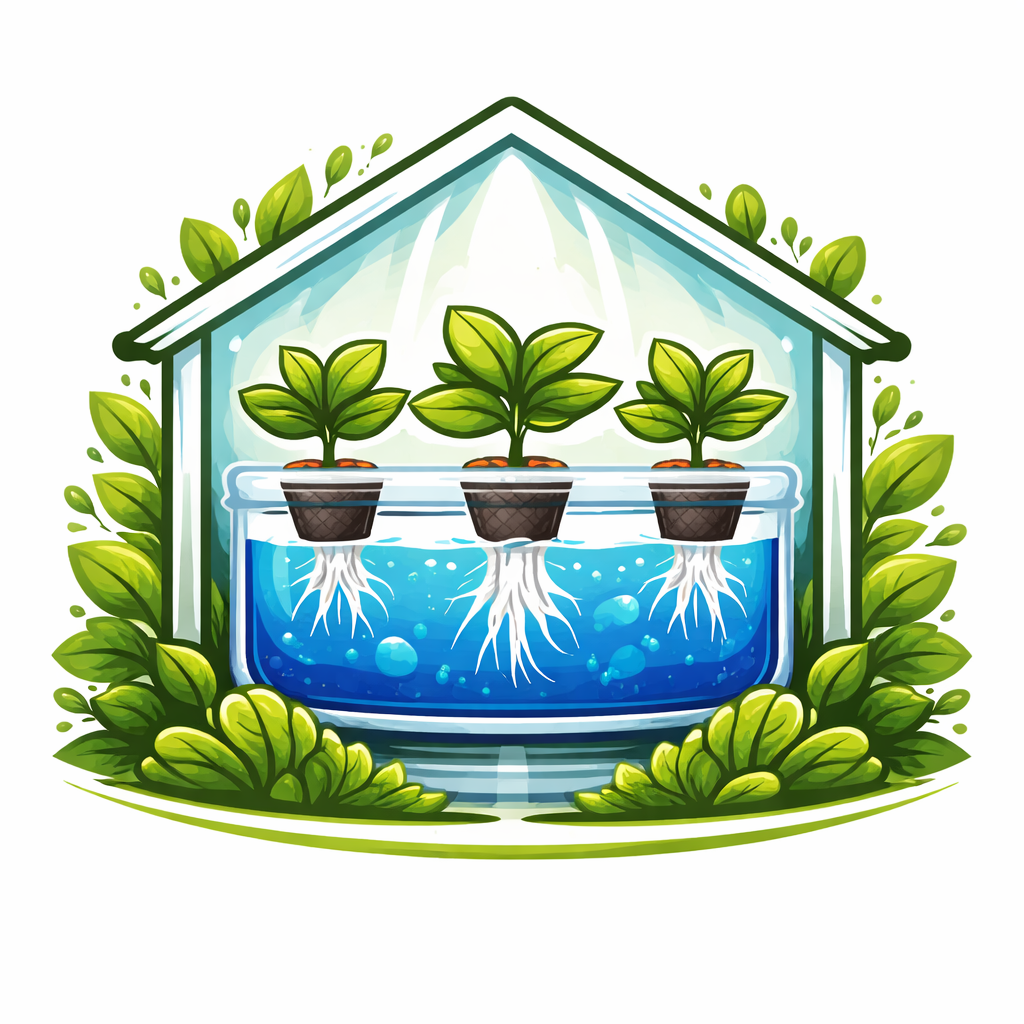
The Kratky Method relies on a clever principle: plant roots need both water/nutrients and oxygen, and they can get both at the same time if you design the container correctly. You start with a sealed container (like a mason jar or tote) filled almost to the top with pH-balanced nutrient solution. A net pot holding the seedling sits in the lid, with the bottom of the net pot just touching the water.
As the plant grows, it drinks the solution and the water level naturally drops. This creates an expanding air gap between the lid and the water surface. The roots split into two zones: lower “water roots” stay submerged to absorb nutrients, while upper “air roots” stretch into the air gap to breathe oxygen. No air pump required — the falling water level does the work for you. By the time the reservoir is nearly empty, the plant is ready to harvest.
What You Need to Get Started
Kratky is famous for being cheap and accessible. You can build your first system for under $20 with items you may already own. Here’s the basic shopping list:
- Container — A quart-size mason jar for a single lettuce plant, or a 5-gallon opaque tote/bucket for larger plants. Light-blocking is critical to prevent algae.
- Net Pot — A 2- or 3-inch mesh cup that holds your seedling and growing medium. The lid or cover should support it snugly.
- Growing Medium — Rockwool cubes, clay pebbles (LECA), or a combination. Rockwool is great for seedlings; clay pebbles add stability for larger plants.
- Hydroponic Nutrients — A complete two- or three-part hydroponic formula like MasterBlend 4-18-38 (best value) or a liquid A&B nutrient (easiest to dose). Soil fertilizers will not work.
- pH Test Kit — A digital pH pen plus a pH up/down kit. Keep your solution between 5.5 and 6.5 for proper nutrient uptake.
- Seeds or Seedlings — Fast-growing leafy greens or herbs are the ideal starting point. Lettuce, bok choy, and basil are nearly foolproof.
- Grow Light (Indoor Only) — Any full-spectrum LED works. If you’re growing outdoors on a sunny patio, skip this entirely.
Best Plants to Grow with the Kratky Method
Because Kratky is a single-fill passive system, the best candidates are plants that finish their life cycle before the reservoir runs dry. That makes it outstanding for quick crops and tricky for anything long-season.
Lettuce (The Kratky Classic)
Butterhead, romaine, leaf lettuce, and oakleaf varieties thrive in Kratky jars and finish in 30–40 days. This is the crop Dr. Kratky originally developed the method for, and it remains the gold standard for first-timers.
Leafy Greens
Spinach, arugula, kale, bok choy, Swiss chard, and mustard greens all do beautifully. They’re fast, shallow-rooted, and don’t need heavy nutrient loads.
Herbs
Basil, mint, cilantro, parsley, and chives are perfect Kratky candidates. Basil in particular explodes with growth and produces for weeks if you harvest regularly.
Tomatoes & Peppers (Advanced)
Possible, but you’ll need a much larger reservoir (5+ gallons per plant) and may need to top off with fresh nutrient solution once or twice. Cherry tomatoes are the most forgiving.
What to Avoid
Skip strawberries, cucumbers, and any plant that needs a long growing season or a stable reservoir level. They’ll outlast your nutrient supply and struggle as the water drops too low.
Step-by-Step Kratky Setup Guide
Here’s how to build your first Kratky jar from start to finish:
Step 1: Start Your Seedlings
Soak a rockwool cube in pH-adjusted water, plant 2–3 seeds in the hole, and keep it moist and warm. Most leafy greens germinate in 3–7 days. Once you see true leaves and white roots poking out the bottom, you’re ready to transplant.
Step 2: Prepare the Container
Use an opaque or dark-colored container. For clear mason jars, wrap the outside with foil or paint to block all light. Light in the reservoir means algae, and algae means problems.
Step 3: Mix Your Nutrient Solution
Fill the container with water and add hydroponic nutrients per the manufacturer’s label. Check and adjust pH to between 5.5 and 6.5. Fill until the water level will just touch the bottom of the net pot once installed.
Step 4: Transplant the Seedling
Place the rockwool cube inside a 2–3 inch net pot and surround it with clay pebbles for support. Insert the net pot into the lid opening so the bottom of the cube just kisses the water surface.
Step 5: Provide Light
Place the jar under an LED grow light (14–16 hours per day for leafy greens) or on a sunny windowsill or patio with at least 6 hours of direct sunlight.
Step 6: Walk Away (Mostly)
That’s it — no topping up, no pumps to check. Just glance at it every few days to make sure the water level is dropping naturally and the roots are branching into the air gap. Harvest when the plant is mature, usually 3–6 weeks in.
Common Kratky Mistakes to Avoid
- Topping off the reservoir — This is the most common mistake. Resist the urge to refill. The dropping water level is what creates the oxygen gap the roots need. Topping off drowns the air roots and leads to root rot.
- Using a clear container without covering it — Light + nutrient water = algae bloom. Always block light from reaching the solution, either with an opaque container or by wrapping a clear one.
- Wrong starting water level — If the water starts too high, the whole root zone stays submerged and roots suffocate. If it starts too low, the seedling can’t reach the solution and wilts. The bottom of the net pot should just barely touch the water at the start.
- Skipping pH — Even passive systems need correct pH. Too high or too low locks out nutrients and stunts growth. Check at mixing time, every time.
- Picking the wrong plant — A tomato plant in a mason jar will fail. Match the container size to the crop, and stick to quick-growing greens and herbs until you’ve got the basics down.
- Hot water temperatures — Warm solutions (above 75°F / 24°C) lose oxygen fast and invite root pathogens. Keep jars out of direct hot sun and aim for a cool, shaded reservoir with well-lit leaves.
Why the Kratky Method Is Perfect for Beginners
If you’ve never grown hydroponically before, Kratky is the ideal first step. There’s no pump that can fail, no power bill, no timer to set, and almost nothing to break. A single mason jar of lettuce on a windowsill will teach you the fundamentals of hydroponic nutrients, pH, and root health — and reward you with a crisp salad in under six weeks. Once you’ve mastered Kratky, stepping up to Deep Water Culture or Nutrient Film Technique will feel like a natural next move.
Related Guides
Ready to grow your first Kratky jar? Start with the easiest crop: How to Grow Hydroponic Lettuce — you will have fresh salad in under four weeks. Once you have mastered the basics, try Growing Basil and Herbs Hydroponically for your next jar. Want to see how Kratky compares to other methods? Read DWC vs Kratky vs NFT. Or step up to an active system with our Deep Water Culture guide.