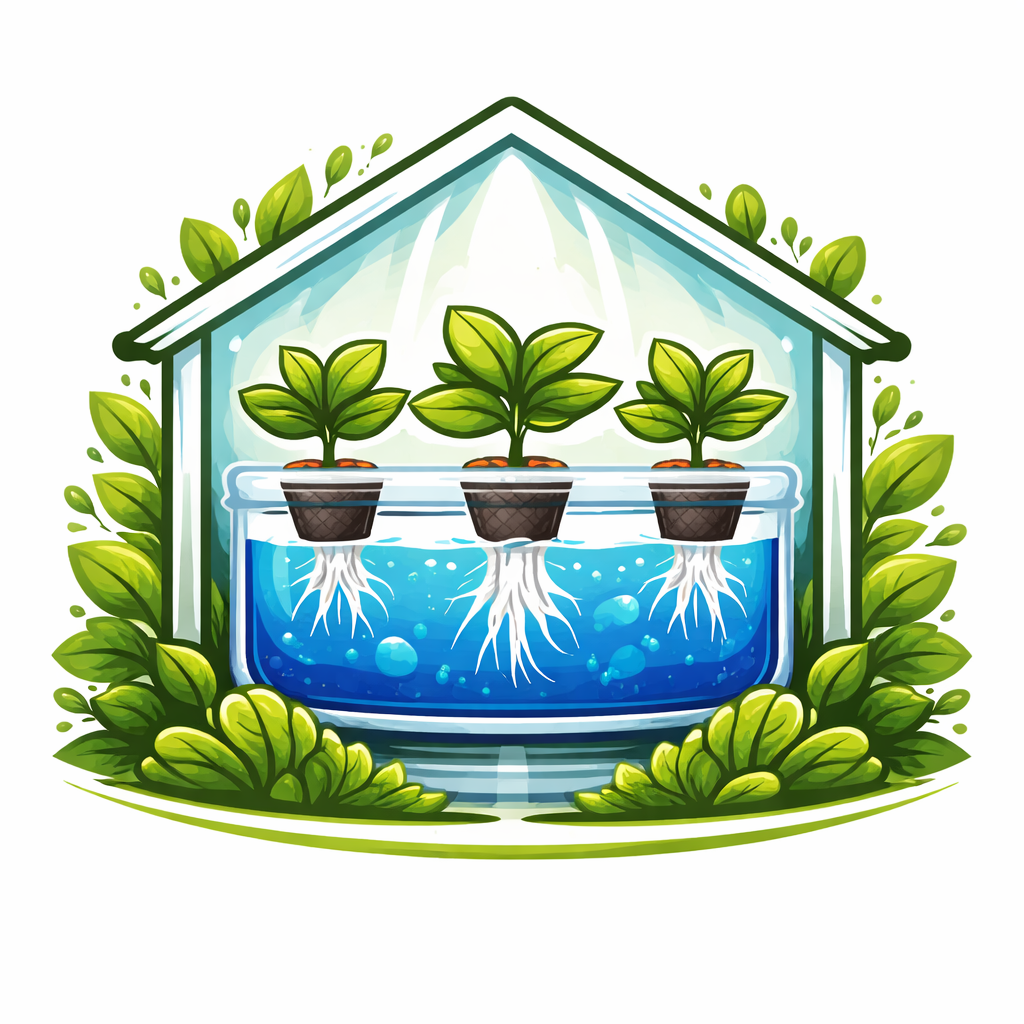
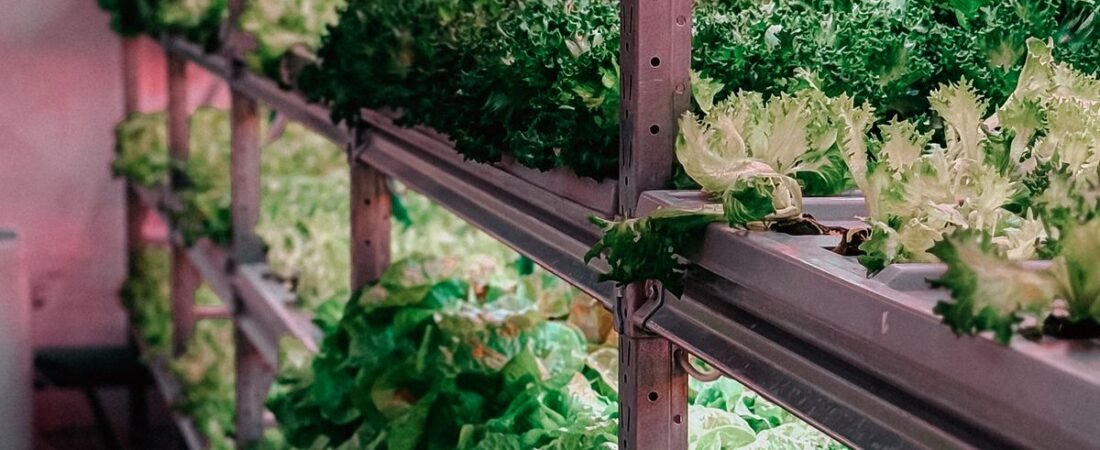
Hydroponics is the practice of growing plants without soil, using a nutrient-rich water solution to deliver everything a plant needs directly to its roots. Without soil as a barrier, plants absorb water and nutrients far more efficiently — which means faster growth, higher yields, and the ability to grow fresh food year-round, anywhere indoors.
If you’ve ever wondered whether you could grow your own lettuce, herbs, or tomatoes at home without a garden or even a window, the answer is yes — and hydroponics is how.
How Does Hydroponics Work?
In a traditional garden, soil acts as a storage medium for water, oxygen, and nutrients. Plants spend enormous energy sending roots deeper and wider searching for these resources. Hydroponics removes the soil entirely and delivers water, nutrients, and oxygen directly to the root zone. The result is that plants can put nearly all their energy into leaf and fruit production instead of root searching — which is why hydroponic plants routinely grow 30–50% faster than soil-grown equivalents.
The basic setup for any hydroponic system is the same: a reservoir of nutrient-enriched water, a way to deliver that water to the plant roots, and a growing medium (like clay pebbles or rockwool) to anchor the plant. Beyond those basics, there are several different methods that suit different plants, spaces, and experience levels.
The 3 Best Hydroponic Methods for Beginners
1. Deep Water Culture (DWC)
In Deep Water Culture, plant roots are suspended in an oxygenated, nutrient-rich reservoir. An air pump keeps the water bubbling with oxygen so roots don’t drown. DWC is one of the easiest active systems to build and maintain, and it produces fast, impressive results — especially for lettuce, herbs, and peppers. A basic 5-gallon bucket setup can be assembled for under $50.
2. Kratky Method
The Kratky Method is the simplest form of hydroponics in existence — no pumps, no electricity, no moving parts. You fill a jar or tote with nutrient solution, set a seedling in a net pot, and let it grow. As the plant drinks the water, an air gap forms naturally that provides oxygen to the roots. It’s ideal for lettuce, herbs, and leafy greens, and a mason jar setup costs under $20. This is the best starting point for absolute beginners.
3. Nutrient Film Technique (NFT)
NFT systems pump a continuous thin film of nutrient solution over exposed plant roots in a sloped channel, which drains back into a reservoir. It uses very little water, scales easily, and is widely used in commercial operations. NFT is best for leafy greens and herbs, and is a great next step once you’ve mastered DWC or Kratky.
What Can You Grow Hydroponically at Home?
Almost any vegetable or herb can be grown hydroponically, but some are much easier than others for beginners. The best starting plants are fast-growing, low-maintenance, and don’t need a lot of space or nutrients:
- Lettuce — Grows in 3–4 weeks, tolerates beginner mistakes, perfect for Kratky jars
- Basil and herbs — Basil, mint, cilantro, and parsley thrive hydroponically and taste better than store-bought
- Spinach and kale — Fast-growing leafy greens that do well in both DWC and Kratky
- Strawberries — Produce sweeter fruit hydroponically and grow year-round indoors
- Cherry tomatoes — Intermediate level, but very rewarding in a DWC setup
What Equipment Do You Need to Start?
The equipment you need depends on which method you choose, but every hydroponic setup requires a few basics:
- A reservoir — A mason jar for Kratky, a 5-gallon bucket or tote for DWC
- Net pots — Small mesh cups that hold plants above the water
- Growing medium — Clay pebbles (LECA) or rockwool cubes to anchor roots
- Hydroponic nutrients — A two- or three-part liquid formula, or dry MasterBlend mix
- pH meter and pH adjustment kit — Essential for keeping nutrient solution between pH 5.5–6.5
- Grow light (for indoor growing) — A full-spectrum LED positioned 18–24 inches above plants
Why Try Hydroponics at Home?
Beyond the novelty, home hydroponics has real practical advantages over traditional gardening. Plants grow up to 50% faster, use 90% less water (which is recirculated rather than lost to the ground), and produce higher yields in a fraction of the space. There’s no weeding, dramatically fewer pest and disease problems, and you can grow year-round regardless of the weather outside. A single Kratky jar of lettuce on your countertop will teach you everything you need to know to scale up to a full DWC setup — and reward you with a fresh salad in under four weeks.
Ready to get started? Check out our full guide to Deep Water Culture or start even simpler with the Kratky Method.